
Pro Tips for Garage Door Spring Repair
- COMMERCIAL GARAGE DOOR REPAIR
- GARAGE DOOR OPENER INSTALLATION
- GARAGE DOOR SPRING REPAIR
- SAME-DAY GARAGE DOOR REPAIR
- CUSTOM GARAGE DOOR
- GARAGE DOOR OPENER REPAIR
- GARAGE DOOR TRACK REPAIR
- GARAGE DOOR CABLE REPAIR
- GARAGE DOOR PANEL REPAIR
- LOCAL GARAGE DOOR REPAIR
- GARAGE DOOR REPLACEMENT
- NOISY GARAGE DOOR FIX
- GATE REPAIR
- GARAGE DOOR INSTALLATION
- GARAGE DOOR SECTION REPLACEMENT
- OVERHEAD GARAGE DOOR REPAIR
Pro Tips for Garage Door Spring Repair
A loud bang from the garage is often the first sign that something is seriously wrong with your garage door. In many cases, the culprit is a broken spring. Handling a garage door spring repair can be complex and potentially dangerous without the right knowledge and tools. At Local Garage Door Services FL, we believe in empowering homeowners with useful information. While we always recommend professional assistance for such tasks, understanding the process can help you make informed decisions about your home’s maintenance and safety.
Understanding Garage Door Springs
Before diving into repairs, it’s crucial to know what you’re dealing with. Garage door springs are under immense tension. They are the components that do the heavy lifting, counterbalancing the door’s weight to make it easy to open and close manually or with an opener. There are two primary types of springs, and identifying which one your system uses is the first step.
Torsion Springs
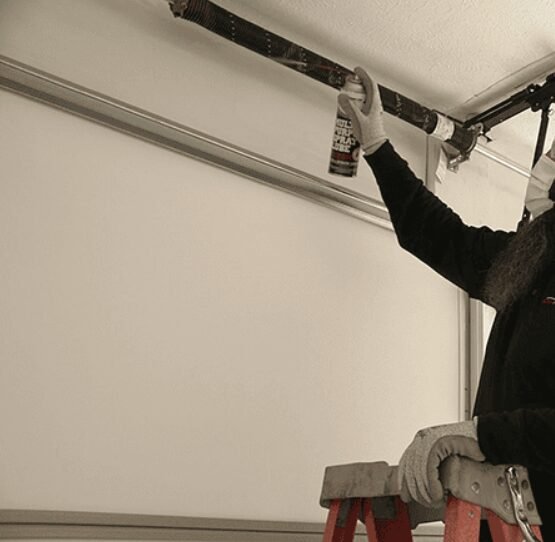
Torsion springs are mounted on a metal shaft directly above the garage door. When the door closes, cables unwind from drums at the ends of the shaft, causing the springs to wind up and store potential energy. As the door opens, these springs unwind, and their stored energy helps lift the heavy door. A system can have one or two torsion springs. If you have two and only one breaks, you should always replace both simultaneously. The remaining spring has undergone the same number of cycles as the broken one and is likely near the end of its lifespan.
Extension Springs
Extension springs are located on both sides of the garage door, running parallel to the horizontal tracks. They work by stretching and contracting to counterbalance the door’s weight. As the door lowers, the springs extend, and as it raises, they retract. A critical safety feature for these springs is the safety cable that runs through the middle of each one. This cable prevents the spring from flying across your garage if it breaks, which could cause significant injury or property damage. If you notice your extension springs don’t have these cables, it’s essential to have them installed immediately.
Dealing with broken garage door springs is not a typical DIY project due to the high risk involved. Incorrect handling can lead to further damage or severe personal injury. For safe, reliable, and efficient service, it’s always best to contact a certified professional. If you’re experiencing issues with your garage